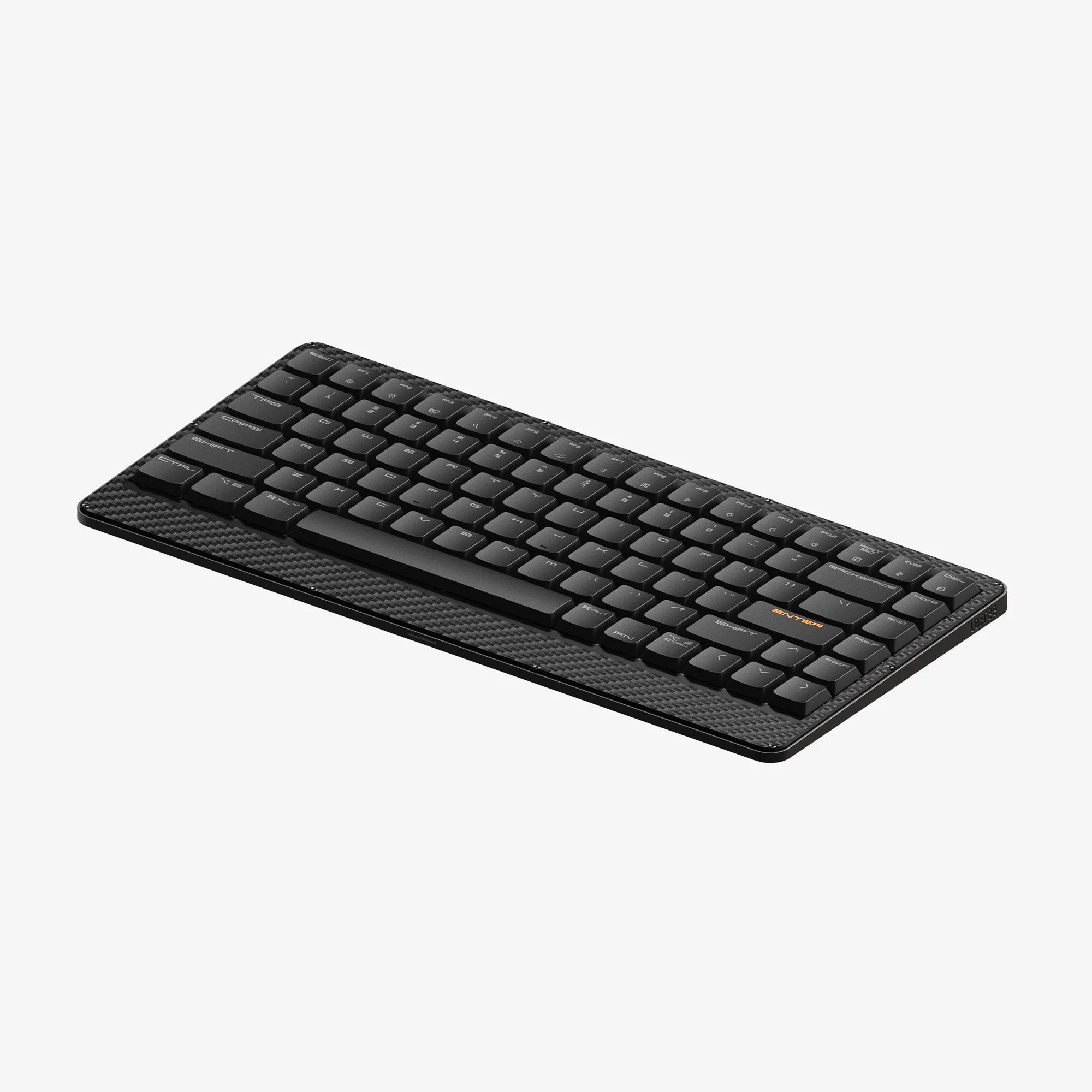
The Evolution of Keyboards: From Typewriters to Touchscreens
The history of keyboards is a remarkable journey that reflects the evolution of technology and communication. Starting with the invention of the typewriter in the 19th century, keyboards revolutionized the way we write and share information. The first commercially successful typewriter, introduced by Christopher Latham Sholes in 1868, laid the foundation for modern keyboard layouts, particularly the QWERTY layout that we continue to use today. This mechanical device transformed the speed and efficiency of typing, making it an essential tool for writers, journalists, and office workers alike.
As technology progressed, the keyboard underwent significant changes. With the advent of computers in the mid-20th century, traditional typewriters evolved into electronic keyboards. The transition from mechanical keys to membrane and then to mechanical switches offered improved tactile feedback and an enhanced typing experience. Today, we witness an even further transformation with the rise of touchscreen technology. Touchscreen keyboards have become prominent in smartphones and tablets, eliminating the need for physical keys and enabling a more versatile and compact approach to data input, catering to the needs of a mobile-first society.
Counter-Strike is a highly popular multiplayer first-person shooter game that pits teams of terrorists against counter-terrorists in a strategic battle. Players can choose from various weapons and maps, developing tactics and teamwork to secure victory. For gamers looking to customize their experience, you can find the Top 10 macbook keyboard covers to enhance comfort during long gaming sessions.
Why Mechanical Keyboards Are Taking Over: A Deep Dive
In recent years, mechanical keyboards have surged in popularity among enthusiasts and casual users alike. This trend can be attributed to several factors, including superior typing experience, customizable options, and enhanced durability. Unlike membrane keyboards, mechanical models feature individual switches for each key, leading to better tactile feedback and reduced typing fatigue. This remarkable precision not only benefits gamers aiming for split-second responses but also aids professionals who spend long hours typing, making comfort and efficiency top priorities.
Another reason for the rise of mechanical keyboards is the booming gaming community. As competitive gaming becomes mainstream, players seek every advantage possible, and a responsive, reliable keyboard is crucial. Many mechanical keyboards offer customizable RGB lighting and programmable keys, allowing gamers to create a personalized setup that reflects their style while improving performance. Furthermore, the growing availability of affordable options has made it easier than ever for enthusiasts to find a mechanical keyboard that suits their needs, ensuring that this trend is here to stay.
What Makes a Great Keyboard? Exploring Features and Ergonomics
A great keyboard is often defined by a combination of features that enhance both functionality and user experience. Some of the most important features to consider include switch type, key travel distance, and build quality. Mechanical switches, for instance, are popular among gamers and typists alike due to their tactile feedback and durability. Additionally, customizable backlighting can improve visibility in low-light conditions, while features like programmable macros offer added convenience for performing repetitive tasks. An ideal keyboard should also have a solid construction to withstand heavy use, ensuring it lasts for years.
Equally important as features are the ergonomics of a keyboard, which play a crucial role in preventing discomfort and injury during extended use. Ergonomically designed keyboards often feature a split design or wrist support that promotes a more natural hand position, reducing strain on the wrists and fingers. Keyboards with adjustable heights can further enhance comfort, allowing users to find the perfect angle for typing. When selecting a keyboard, it is essential to consider how its design impacts your posture and overall typing experience, as this can significantly influence productivity and comfort.