5 Futuristic Tech Gadgets That Will Transform Your Daily Routine
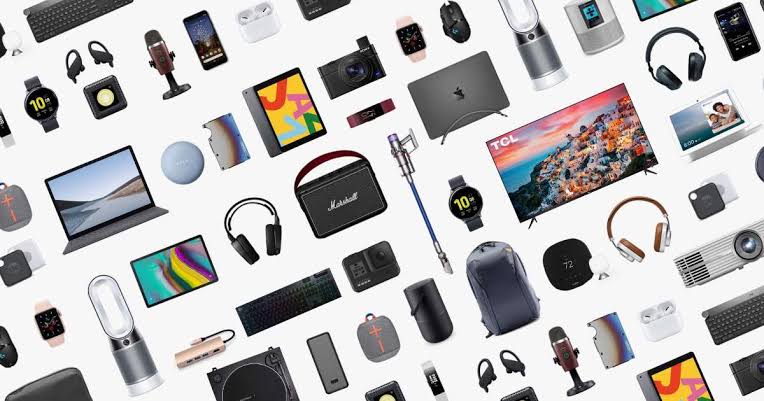
As we step further into the future, technology continues to evolve, promising to enhance our everyday lives. The 5 futuristic tech gadgets that are set to transform your daily routine not only demonstrate cutting-edge innovation but also provide practical solutions to everyday challenges. From smart home devices to wearable tech, these gadgets are designed to streamline tasks, improve productivity, and ultimately, make life a little easier. Here’s a glimpse into the future:
- Smart Mirror: Imagine starting your day by checking the weather, your calendar, and the latest news all while getting ready. Smart mirrors integrate with virtual assistants and provide a seamless experience that revolutionizes morning routines.
- Wearable Translator: Communication barriers will be a thing of the past with wearable translators that instantly translate foreign languages, allowing for smoother interactions while traveling or meeting someone from another culture.
- Augmented Reality Glasses: These glasses overlay digital information onto the real world, enhancing activities like shopping, navigation, and even fitness routines.
- AI Personal Assistants: Beyond simple tasks, the next generation of AI assistants can analyze your habits and make suggestions to optimize your daily schedule.
- Smart Food Scanner: With health becoming a priority, these devices can scan your food and provide nutritional information, helping you make better dietary choices on-the-go.
Counter-Strike is a popular tactical first-person shooter game that emphasizes teamwork and strategy. Players can choose to play as either terrorists or counter-terrorists, completing objectives such as bomb defusal or hostage rescue. In addition to skillful gameplay, many gamers also seek the best gear for their experience. For instance, checking out the Top 10 Earbuds with Long Battery Life can enhance your gaming sessions.
How Augmented Reality Is Changing Our Interaction with the World
Augmented Reality (AR) is revolutionizing the way we interact with the world around us by seamlessly blending digital elements with our physical environment. This immersive technology enriches our experiences in various sectors, from education to retail. For instance, in the retail industry, AR applications allow customers to visualize products in their own space before making a purchase, significantly enhancing the shopping experience. Moreover, in education, AR tools create interactive learning environments that engage students and aid in the retention of information, transforming traditional methods into dynamic experiences.
The impact of Augmented Reality extends beyond consumer behavior; it is also reshaping fields such as healthcare and real estate. Surgeons can utilize AR for precise visualization during operations, enhancing outcomes and minimizing risks. In real estate, potential buyers can take virtual tours of properties through AR apps, allowing them to explore homes from the comfort of their own space. As AR technology continues to evolve, its ability to enhance our daily lives and interactions with the world is becoming increasingly evident, paving the way for a future where digital and physical realities coexist in harmony.
Are Smart Homes the Future? Exploring the Latest in Home Automation Technology
As we step into an era defined by rapid technological advancement, the concept of smart homes continues to rise in popularity. These innovative dwellings integrate various home automation technology, allowing homeowners to optimize energy efficiency, enhance security, and improve overall comfort. For instance, automated lighting systems that adjust based on the time of day, smart thermostats that learn your heating preferences, and security cameras that you can monitor from your smartphone exemplify how smart home solutions are reshaping our living spaces. According to industry experts, the global market for home automation is projected to reach $100 billion by 2025, highlighting a significant shift toward intelligent living.
However, the transition to smart homes does not come without challenges. As the adoption of home automation technology expands, issues related to privacy and cybersecurity become increasingly pressing. Homeowners are encouraged to stay informed about potential vulnerabilities associated with smart devices, such as data breaches or unauthorized access. Emphasizing strong security measures is crucial for anyone considering the move to a smart home. Ultimately, while the benefits of smart home technology are compelling, a thoughtful approach to implementation will ensure that homeowners can enjoy modern conveniences without compromising their safety and privacy.