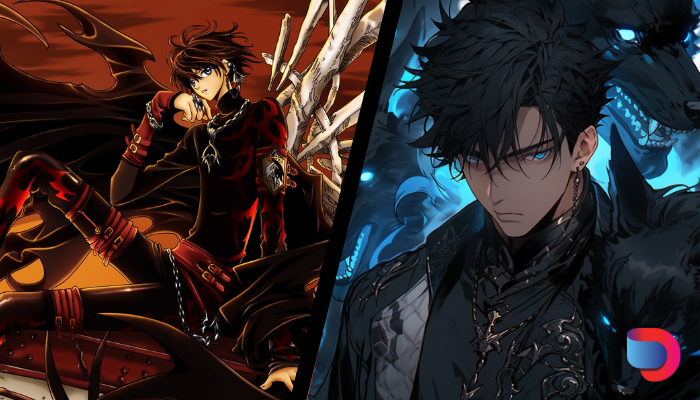
Understanding the Key Differences Between Manga and Manhwa
Manga and manhwa, while often grouped together as forms of comic art, have several key differences that can significantly affect the reading experience. Manga, originating from Japan, is known for its black-and-white artwork, distinct narrative style, and cultural references that resonate with Japanese audience. Typically published in serialized formats, manga often covers a wide range of genres, from shonen (targeted at young males) to shojo (targeted at young females). Readers can easily recognize manga by its unique art styles and storytelling techniques, which often include detailed backgrounds and expressive characters.
On the other hand, manhwa hails from South Korea and is distinguished by its full-color illustrations and a different reading direction, as it is often read from left to right. Manhwa tends to incorporate elements of the webtoon format, making it more accessible on digital platforms. Additionally, manhwa explores a variety of themes and genres, with a strong focus on romance and slice-of-life stories that often appeal to a younger audience. These differences highlight the unique cultural influences and storytelling traditions behind each art form, making them both worth exploring.
If you're a fan of the popular webtoon, check out the solo leveling shop for a variety of merchandise that brings your favorite characters to life. From posters to apparel, there are plenty of options to explore!
The Evolution of Manga and Manhwa: A Cultural Perspective
The journey of Manga and Manhwa is a fascinating reflection of cultural evolution in Japan and South Korea, respectively. Originating from ancient art forms, Japanese Manga can be traced back to the 12th century with the Yamato-e paintings, while South Korea's Manhwa began to take shape during the late 19th century. Both mediums have morphed continuously, influenced by socio-political changes and technological advancements. In the post-war era, Manga gained immense popularity, giving birth to iconic genres and styles. Today, we see a blend of traditional storytelling with contemporary themes, as both Manga and Manhwa embrace digital formats, reaching a global audience.
As Manga and Manhwa expand their horizons, they increasingly reflect and challenge cultural norms. In contrast to their origins, modern works often tackle complex issues such as identity, mental health, and social justice. Manhwa, in particular, has gained recognition for its unique webcomic format, allowing for interactive storytelling and direct engagement with readers. This evolution not only signifies an artistic shift but also underscores a broader cultural exchange, with fans around the world consuming and creating content that blurs the lines between traditional and contemporary art forms. Ultimately, the thriving nature of both Manga and Manhwa illustrates the resilience and adaptability of storytelling in a changing world.
Which One Should You Read First: A Beginner's Guide to Manga and Manhwa
When diving into the vibrant world of comics, newcomers often find themselves at a crossroad between manga and manhwa. Both have unique art styles and storytelling techniques, yet they are rooted in different cultures: manga originates from Japan, while manhwa is a product of South Korea. If you're uncertain about where to start, consider what you are most drawn to. Manga tends to have a diverse range of genres, from shonen action to shojo romance, making it a great option for those looking for variety. In contrast, manhwa often features more polished art styles and frequently incorporates webtoons, which cater to modern readers with vertical scrolling formats.
To help you choose your initial read, here are a few recommendations:
- Manga: Begin with Naruto or One Piece for classic adventure tales.
- Manhwa: Try Tower of God or Let's Play for engaging narratives rich in character development.