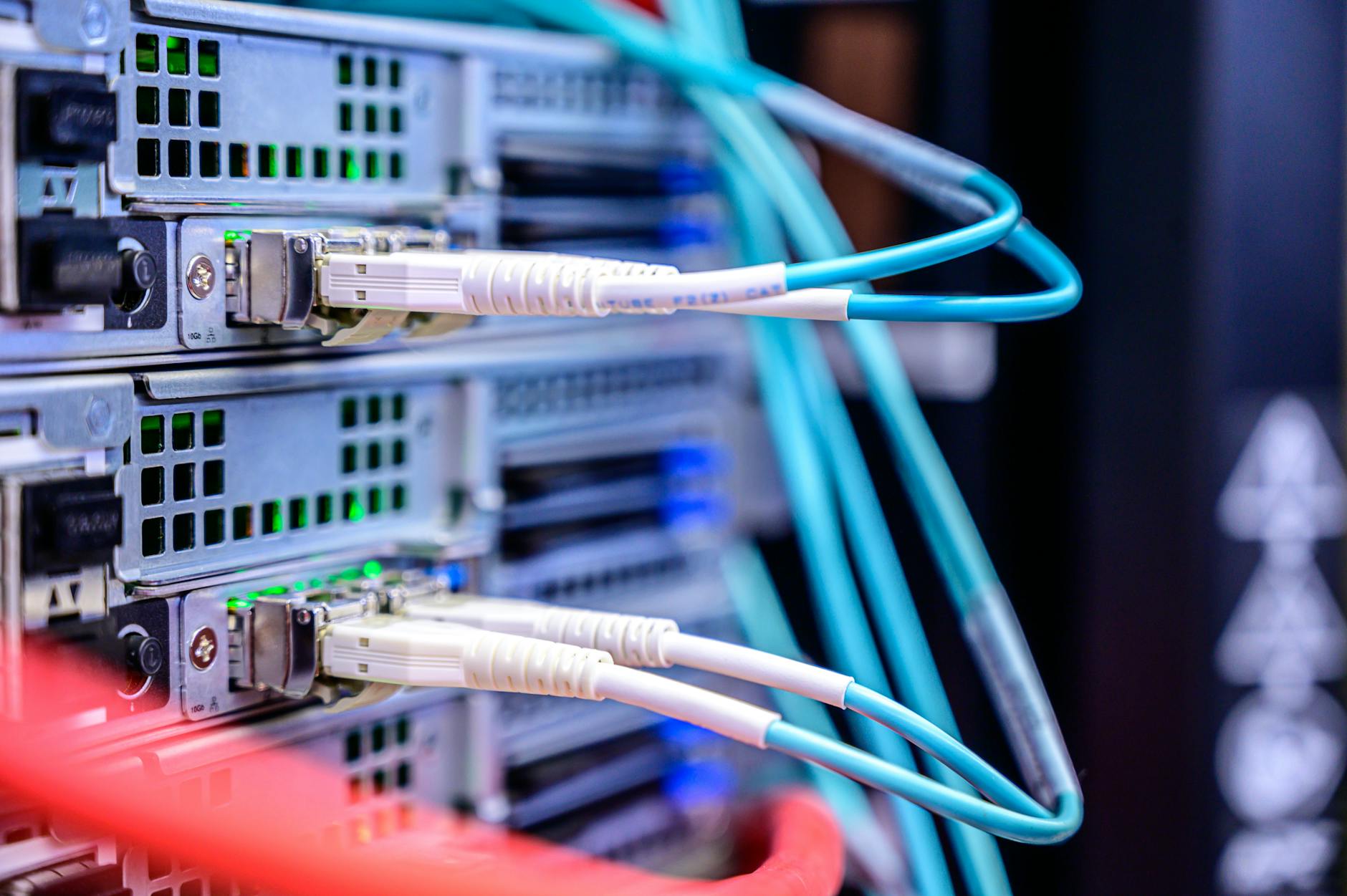
H2: Setting Up Your MCP Server: From Concept to Command Line (and Beyond!)
Embarking on the journey of setting up your own Minecraft Coder Pack (MCP) server is an exciting endeavor, transforming a mere concept into a tangible command-line reality. This comprehensive guide will walk you through every critical step, ensuring a smooth transition from preliminary planning to operational server. We'll delve into the essential prerequisites, such as having the correct Java Development Kit (JDK) installed and understanding your system's architecture. From there, we'll cover obtaining the MCP itself, verifying its integrity, and preparing your workspace for the intricate process of deobfuscation and decompilation. Our focus is on providing actionable insights that demystify the initial setup, laying a solid foundation for your modding aspirations.
Beyond the initial command-line setup, we'll explore the crucial post-installation configurations and optimizations that elevate your MCP server from functional to formidable. This includes understanding the various build tools like Gradle, and how to leverage them for efficient project management and dependency resolution. We'll also touch upon integrating your development environment (IDE) with the MCP workspace, facilitating seamless coding and debugging. Furthermore, we'll discuss best practices for managing multiple modding projects within a single MCP installation, ensuring scalability and maintainability. This section aims to equip you with the knowledge not just to get your server running, but to maintain and evolve it effectively as your modding journey progresses.
An SEO data API allows developers to programmatically access vast amounts of search engine optimization data, streamlining the process of gathering insights for websites. This powerful seo data api can provide crucial information on keyword rankings, backlinks, competitor analysis, and organic traffic, enabling more efficient and data-driven SEO strategies. By integrating with such an API, businesses and marketers can automate data collection, monitor performance, and gain a competitive edge in the ever-evolving digital landscape.
H2: Training Your AI Agents on MCP: What to Expect, How to Optimize, and Common Pitfalls to Avoid
When you embark on the journey of training your AI agents on the Microsoft Cloud Platform (MCP), you're tapping into a robust ecosystem designed for scalability and performance. Expect a learning curve, particularly around data preparation and model selection, which are critical for an agent's success. The initial phase often involves extensive data labeling and cleaning, a process that can be time-consuming but is paramount for accurate model training. Leveraging MCP's integrated tools like Azure Machine Learning can significantly streamline this, offering features for data versioning, experiment tracking, and model deployment. Focus on iterative training cycles, starting with smaller datasets and less complex models to establish a baseline, then progressively introducing more data and sophisticated architectures. Be prepared to monitor performance metrics closely, understanding that early results may not be optimal but provide valuable insights for subsequent refinement.
Optimizing your AI agent training on MCP involves a strategic approach to resource allocation and hyperparameter tuning, while being acutely aware of common pitfalls. One significant optimization technique is to utilize MCP's diverse range of compute options, from GPU-accelerated virtual machines for deep learning to specialized cognitive services for specific tasks like natural language processing. Experiment with different optimizers and learning rates; small adjustments here can yield substantial improvements in model convergence and generalization. A common pitfall is overfitting, where your agent performs exceptionally well on training data but poorly on unseen data. To avoid this, implement regularization techniques, cross-validation, and ensure a diverse training dataset. Another pitfall is neglecting cost management; MCP's pay-as-you-go model requires careful monitoring of resource consumption to prevent unexpected expenses. Regularly review your agent's performance and consider techniques like transfer learning to accelerate training and improve accuracy.