Understanding MCP Servers: The Unseen Brains Behind AI Intelligence (An Explainer for Devs & AI Ethusiasts)
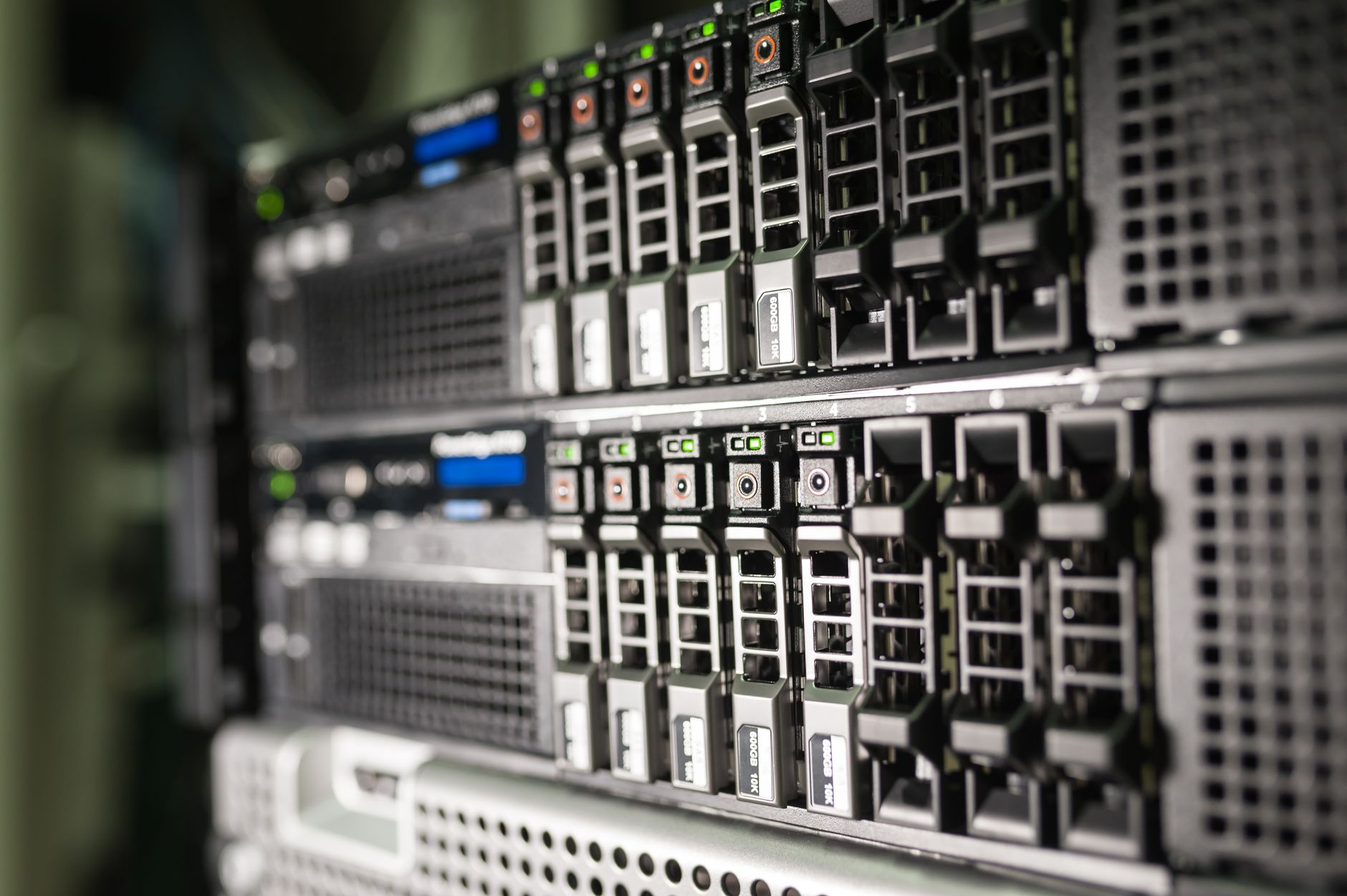
At the heart of advanced AI systems, particularly those processing vast datasets and complex models, lies the often-unseen infrastructure of MCP (Massively Concurrent Processing) servers. Unlike traditional parallel computing, which focuses on dividing a task among many processors, MCP servers are architected for true concurrency, enabling numerous independent operations and data streams to execute simultaneously without bottlenecking. Think of them as the orchestrators of a symphony where thousands of instruments play their own intricate parts, yet contribute harmoniously to a single, grand performance. For developers and AI enthusiasts, understanding MCP is crucial because it directly impacts the scalability, latency, and ultimately, the practical deployability of sophisticated AI applications, from real-time recommendation engines to autonomous driving systems. These servers are not just faster; they fundamentally change how we design and manage data flow in AI.
The architectural genius of MCP servers stems from their ability to manage and synchronize an immense number of concurrent processes, often leveraging specialized hardware and innovative software paradigms. Key characteristics typically include:
- Fine-grained parallelism: Breaking down tasks into the smallest possible independent units.
- Decentralized control: Minimizing single points of failure and bottlenecks.
- Optimized inter-process communication: Ensuring rapid and efficient data exchange between concurrent operations.
This design makes them indispensable for AI workloads characterized by high throughput and low latency requirements, such as training large neural networks, executing complex simulations, or powering real-time inferencing at the edge. Without the underlying power of MCP, many of today's groundbreaking AI advancements would remain theoretical, struggling to scale beyond laboratory environments into the practical, real-world applications we see today.
A web scraper API simplifies the process of extracting data from websites by providing a programmatic interface to initiate scraping tasks and retrieve the results. Instead of building and maintaining your own complex scraping infrastructure, you can leverage an API to handle proxies, CAPTCHAs, and dynamic content, making web data extraction accessible and efficient. This allows developers to focus on utilizing the extracted data rather than the intricacies of the scraping itself.
From Setup to Optimization: Practical Tips for Maximizing Your MCP Server's AI Potential (Plus, Common Questions Answered)
Embarking on the journey of leveraging AI within your Minecraft server, powered by an MCP (Mod Coder Pack) setup, requires more than just installation; it demands meticulous optimization. This section will guide you through the crucial steps, from the initial server configuration to fine-tuning your AI models for peak performance. We'll explore how to allocate resources effectively, ensuring your server can handle complex AI computations without succumbing to lag. Furthermore, we'll delve into best practices for integrating AI modules, discussing the pros and cons of various approaches like direct code injection versus API-based interactions. Understanding these foundational elements is paramount for building an intelligent and responsive in-game environment, whether you're aiming for advanced NPC behaviors or dynamic world generation.
Maximizing your AI's potential within an MCP server hinges on continuous refinement and troubleshooting. We'll address common pitfalls encountered during development, such as memory leaks caused by inefficient AI algorithms or conflicts arising from multiple AI modules vying for the same resources. This practical guide will provide actionable tips, including:
- Profiling your server's performance to identify bottlenecks
- Implementing robust error handling within your AI code
- Strategically utilizing multithreading for parallel AI processing